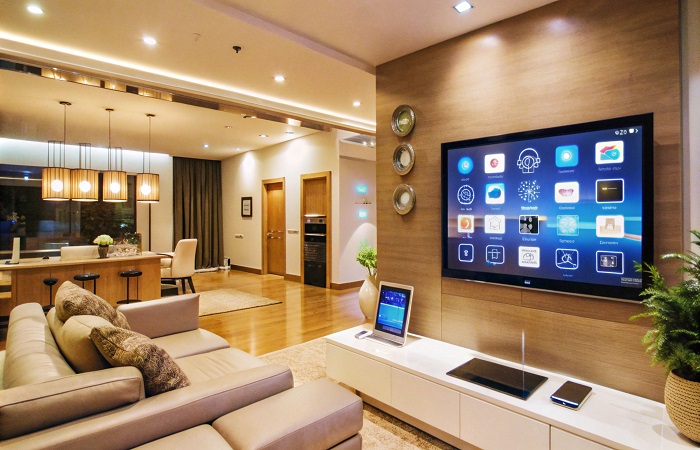
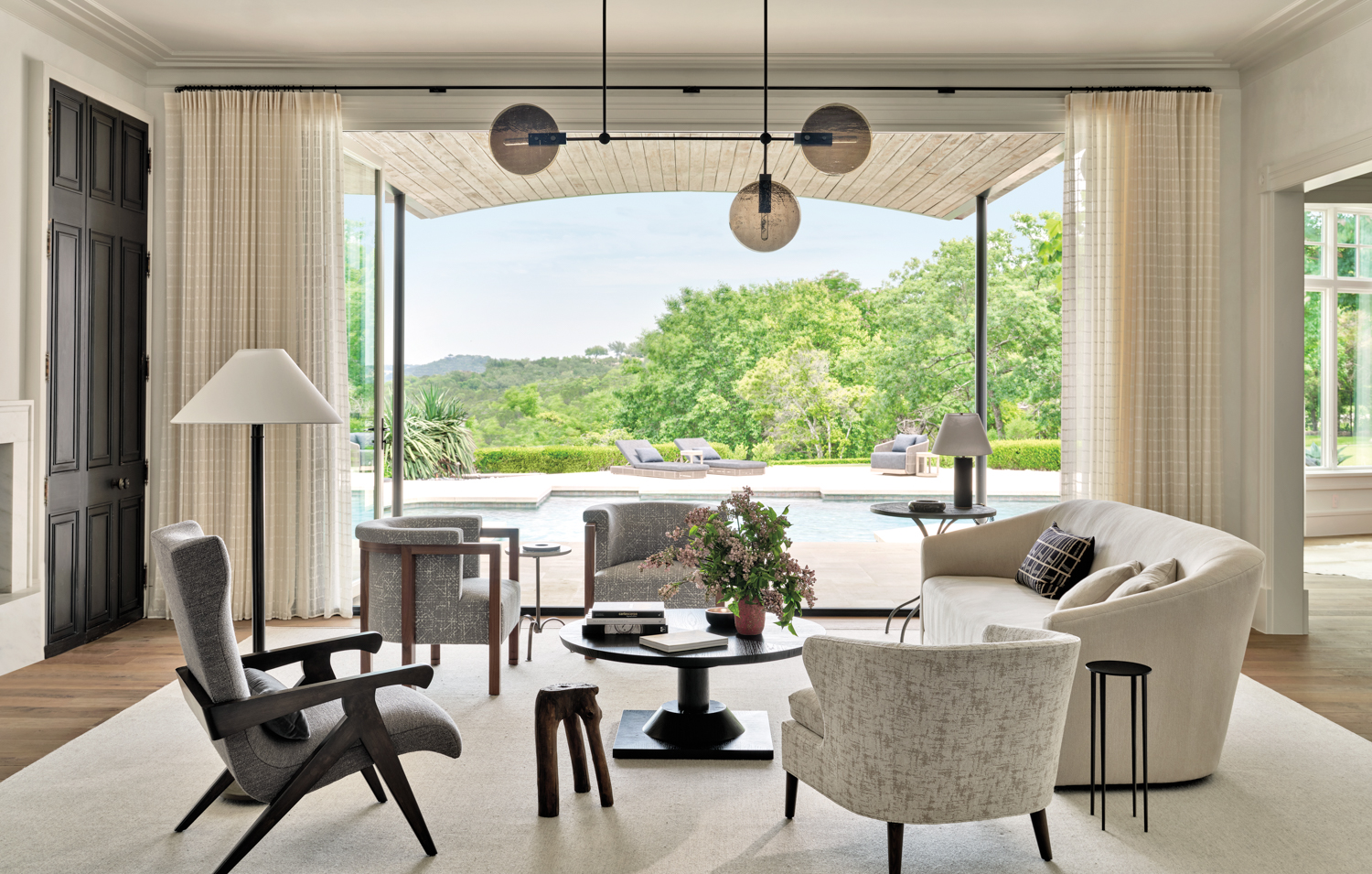
Modern architecture for homes often emphasizes open spaces with exposed industrial materials and floors-to-ceiling glass windows. These components create amazing living spaces that are filled with natural light, however they also pose a problem for homeowners. If you tear down walls and incorporate hard surfaces you accidentally create an acoustic area that bounces sound around in a constant manner.
This effect isn’t only an aesthetic issue. In the words of the US Environmental Protection Agency, unavoidable sound could cause psychological and physical problems. Their guidelines suggest that pollution from noise can trigger stress-related ailments as well as high blood pressure, sleep disturbance, and reduced productivity. So, creating acoustic harmony is an essential medical requirement for those who want to create an environment that is healthy for their family.
The Problem of Modern Minimalism’s Acoustics
Modern residences home are made to be like they are clean and vast. Architectural designers often use the polished look of concrete floors, huge glass panels, and minimalist furniture to create this desired appearance. In many instances the use of simple design concepts is the ideal way to live in modern times. For instance, using open shelves, multi-functional furniture and maximising the natural light that comes through huge glass doors can significantly enhance the flow of an area.
But, these features serve as extremely reflectors for the sound waves. In absence of plush carpets, heavy draperies or traditional partitioned rooms to absorb the energy of sound, the sounds of everyday life quickly become disruptive indoor echos. Steps, the sound of appliances in the kitchen, as well as casual conversations spill throughout the home.
The result is a gorgeous home that is also like a chaotic, loud place to live and creates the impression of a stark contrast between the home appears and what it actually does. This is the reason why planning early for the soundproofing of homes is crucial in order to minimize echoes. An understanding of the structure.
Structural Measures that Promote Calm and Peace
To resolve these acoustic issues without compromising the minimalist design architects must incorporate noise control directly into the structure’s foundations. This is why professional acoustic planning is an integral part of the design process. Instead of attempting to correct echos later using bulky acoustic foam panels, which ruin the interior style, builders can invisibly use internal strategies throughout the building or remodeling phase.
A very effective technique can be structural decoupling. This is the process of ensuring that the plasterboard inside doesn’t physically touch the framing studs that frame the exterior. By severing this connection with elastic acoustic clips, vibrations will not be able to pass through the wall structure.
Furthermore, incorporating high-density acoustic batts as well as bulk-loaded vinyl into ceiling and floor cavities provides the appearance of a dense, flexible mass. This layering inside stops airborne noise in its tracks and remains completely concealed behind the pristine smooth walls. Designers often combine the doors with solid core to block sound from moving through rooms, further separating the quiet zones.
Window and Glazing Techniques
Large windows are an integral part of Australian contemporary architecture, seamlessly linking the inside and the world outside. But, conventional glass provides the most basic protection against outside noise like the sound of sirens, traffic passing by, or even urban construction. To ensure that the glass remains connected to the natural world while keeping the interior peaceful, architects utilize a variety of window designs:
Acoustic laminated glasses: The construction material is made of a transparent dense, thick plastic interlayer that is securely sandwiched between two layers of glass. The layer of resin in the center blocks sound waves before they enter the living space.
Secondary glazing: The addition of an internal window to the primary pane results in a huge air gap that is trapped. This gap functions as a formidable buffer against urban noises of low frequency.
Double glazing that is symmetrical: By combining two glass panes with various thicknesses, the window frame blocks different sound frequencies. One pane blocks loud noises and the more thick pane can handle the low tones.
The frames are acoustically sealed. The most robust glass will not be effective in the event that sound is leaking through the glass’s edges. Quality weather stripping, as well as strong framing materials create an airtight seal all around.
Acoustics and Aesthetics in Balance
A modern, well-designed home should be able to satisfy all senses. While visual design determines the shape, colour and brightness of a living space, the acoustic design determines how the space feels day in and day. Through the use of hidden structural strategies homeowners can take advantage of the benefits of living in an open space without the exhausting effects of a crowded environment. The highest level of luxury in modern homes is one that is stunning in appearance and absolutely tranquil.