Home décor isn’t all about beautiful furniture or the newest style of the season. It is the art of designing a place where people can live and feel at home, at work, and at their personal best. With the help of proper decor, it’s possible to turn a house into a comfortable and pleasant place to live, improve their mood, and make them feel happy. It can be tough to figure out where to start, however, when there’s a myriad of ideas online and in magazines.
However, home decor doesn’t always have to be the costliest and the fanciest. Rather, it is a process of careful planning, detailed attention, and an understanding of what you want your space to feel and look like. Through balance, comfort, and personal style, homeowners can enjoy beautiful interiors that will stand the test of time and use.
Start with a Clear Vision
The best way to go about home décor is to start with an idea of what you would like your home to look like. It is very useful to take time to think about how you will use each room and what sort of feel you want to achieve before buying furniture, paint, or decorative accents.
Others opt for modern and minimalist designs, featuring sleek lines and neutral hues, while others favor cozy environments rich in textures, patterns, and individual collections. A general style will help you to maintain uniformity in your home and will facilitate the decisions you need to make when decorating.
A clear vision also avoids impulse purchases, which do not necessarily match the general design. Finishing up with each piece featured for a specific reason makes rooms look neater and more attractive.
Focus on Functionality First
Appearance is important, but function should be paramount to decoration. A pretty room that doesn’t serve the needs of daily living can turn out to be a nuisance. Home décor is all about style and functionality, making spaces comfortable and usable.
The arrangement of furniture is a significant factor in its usability. Rooms should be spacious enough to move around in comfortably and without awkwardness. Seating areas should promote talk, storage areas should minimize clutter, and work areas should facilitate productivity.
It is important to think about the function of a room before decorating it – this can help to make decisions about the size of furniture, furniture layout, and fixtures and fittings. Before-and-after spaces can be more welcoming since they allow for activities to happen and are pleasing to the eye.
Choose a Balanced Color Palette
Colour is among the most influential features in house interior design. It affects the mood, space perception, and design cohesion. One of the most important things to consider while decorating is selecting a balanced color scheme.
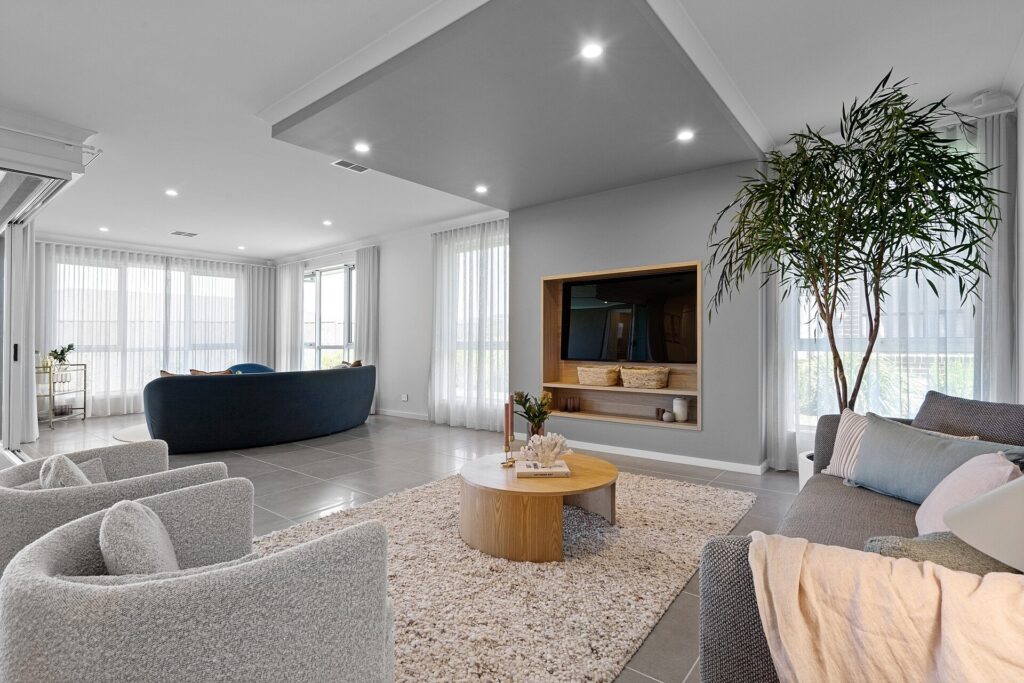
Neutral colors are still in style as they are versatile and have a broad appeal. Light neutral shades of white, beige, gray, and soft earth tones can lead to a relaxed and elegant setting while leaving a room’s furniture and decorative details to pop. Simultaneously, strategic use of accent hues can lend character and visual appeal.
Instead of having a lot of colors that are competing for the attention of the viewer, some designers suggest that a main color scheme be created and used around it. This will ensure consistency across the space and give a more refined look.
Use Lighting to Transform the Space
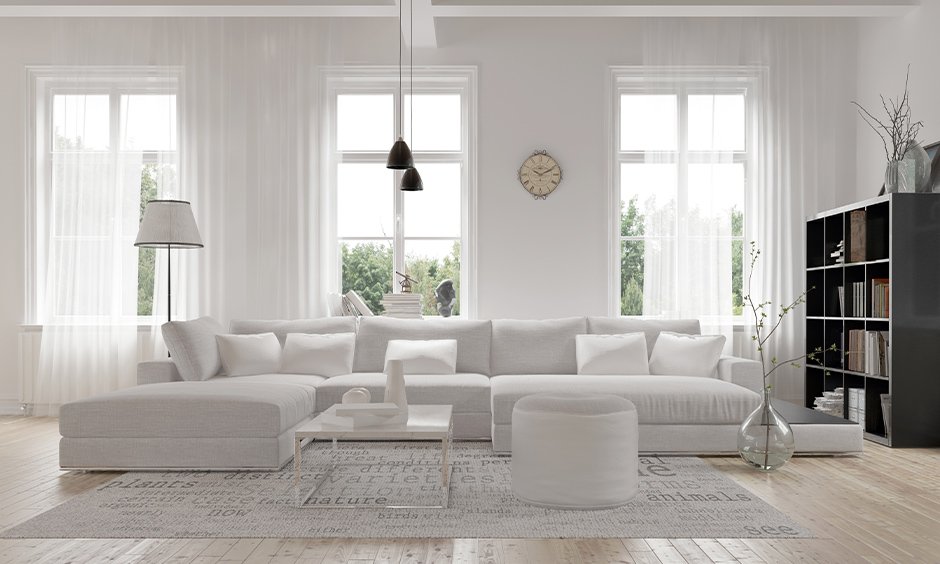
While lighting may not be the first thing that springs to mind when decorating, it can really make or break the look and feel of a home. No matter how well decorated a room is, it can look dull without the right lighting.
Where possible, ensure that natural light is maximised. A large window, light colored curtains, and carefully positioned mirrors will help to make a room larger and brighter. Layered lighting can also make for a more comfortable and versatile atmosphere, in addition to natural light.
Overhead fixtures, table lamps, floor lamps, and accent lighting can be used together to create different mood settings throughout the day and during various activities. Appropriate lighting brings out the best in decor and helps to create a warm and inviting atmosphere.
Add Personality Through Textures and Accessories
A beautifully decorated house should contain elements that represent the character of the owners. Accessories and decor are great ways to personalize and give emphasis to a space without going overboard.
Textures can add to the welcoming and interesting elements of a room. Soft rugs, decorative pillows, throws, wooden furniture, woven baskets, and natural materials add depth and warmth. A combination of different textures adds contrast and avoids monotony in the interior.
Homeowners can also personalize their homes with artwork, books, plants, and meaningful decorative objects. Choosing items that are personally significant to the space, rather than putting random objects on shelves and tables, can have a more profound impact.
Avoid Clutter and Embrace Simplicity
Overloading rooms with too many pieces of furniture or trinkets is one of the most typical decorating errors. Although it’s easy to fill every corner, having too much can make a space feel more cluttered and disorganized.
The finest home decor permits every component to get room to breathe. The carefully selected furniture and accessories often give a more refined and balanced look than too many items.
Frequently, assessing and editing décor can assist to keep the setting fresh and organized. Taking away pieces that are no longer useful or don’t fit the design can instantly make a room look better.
Incorporate Natural Elements
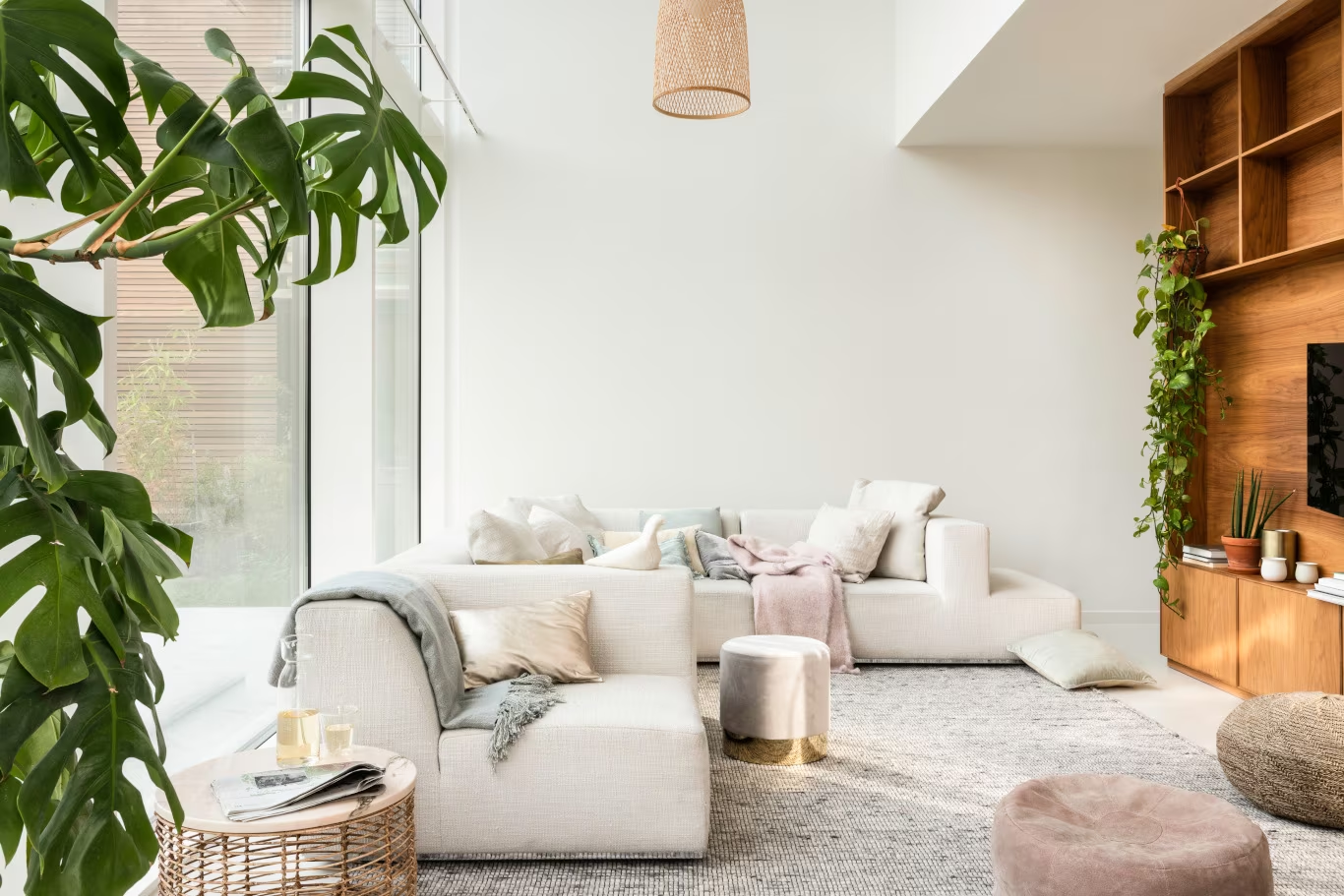
The natural element is a decorating trend that’s on the rise. Using natural materials and greenery can help to promote a sense of tranquility and connect interiors to the outside.
One of the easiest ways to decorate a home with houseplants. They help add colors, make areas more appealing, and can add more life to an area. Just a few well-placed plants can make a room feel like a different place.
Warmth and authenticity are also added by wood, stone, linen, cotton, and other natural materials. All of these items complement many design themes and contribute to a sense of “there is no right or wrong way.
Create a Home That Evolves with You
Home decor is not a job that needs to be accomplished once and for all. Interiors can change too as lifestyles, interests, and needs change. The best houses are the ones that grow and develop over the years, keeping the style consistent.
Consider simple changes like new wall art, seasonal decorations, rearranging furniture, or incorporating new textures to give a room a new look without the need for a complete overhaul. The flexibility enables homeowners to keep their areas feeling recent and amusing.
Slowly decorating can also help to ease the pressure and help to make better decisions. In some cases, it is better to take time to hunt for that specific piece of art that works best in the room rather than rush to finish everything one has in the collection.
Conclusion
The most effective method for decorating a house is to have a balance of beauty, comfort, and function. Homeowners can create an interior with a welcoming and timeless aesthetic by prioritizing a clear vision, selecting a consistent color palette, maximizing natural light, adding touches for personalization, and steering clear of excessive clutter.
However, the idea of successful home décor does not lie in following every trend or in buying the more expensive furnishings. It’s about building a space that is you, fits your life, and feels like home every time you enter. Comfort, inspiration, and enjoyment for years can be found in a well-decorated home.