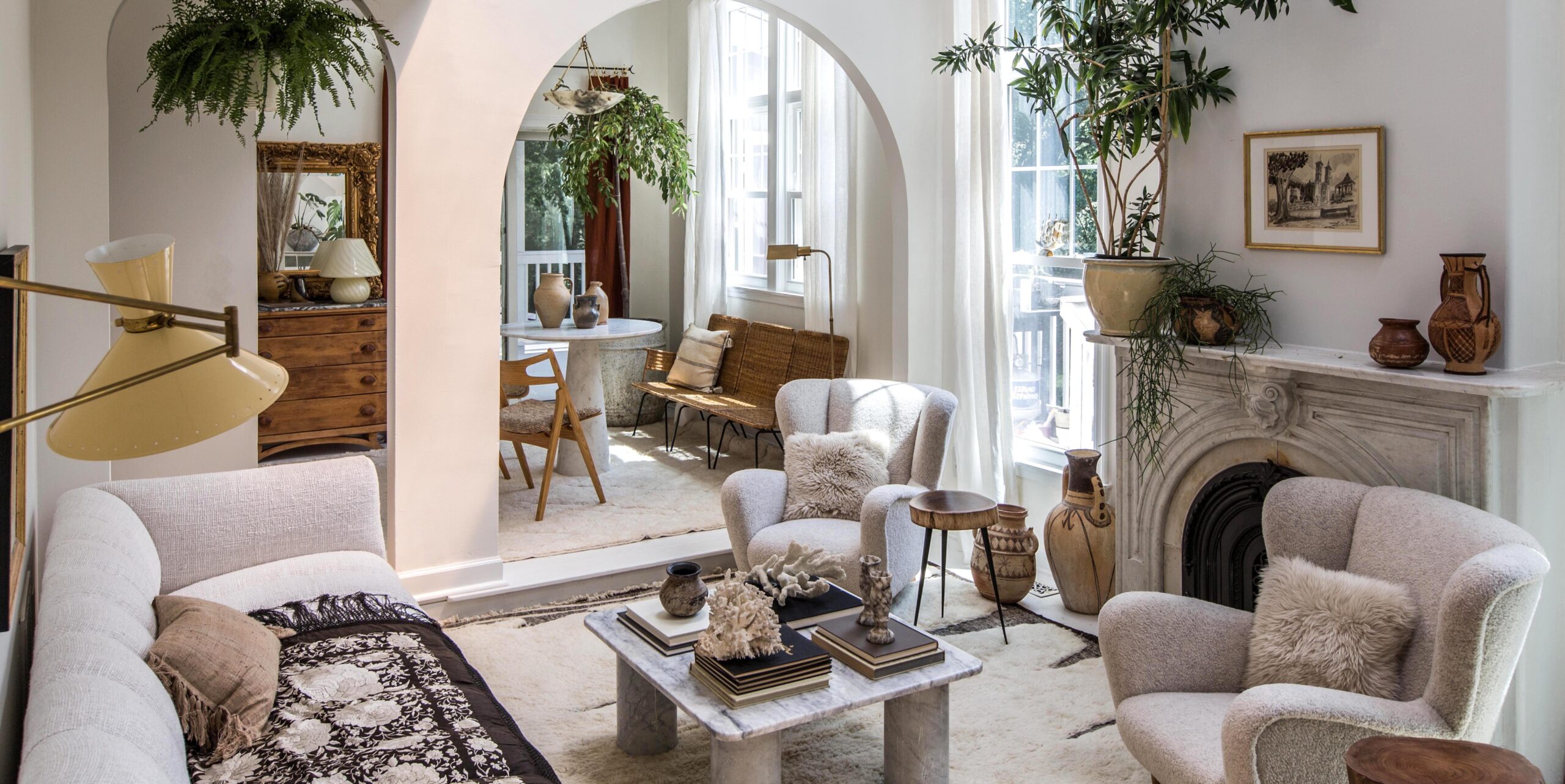
Luxury homes are more than decorated spaces. They are carefully shaped environments that reflect taste, comfort, and identity. Every detail matters, from layout to lighting. The goal is not excess, but refinement. A sophisticated interior feels balanced, calm, and intentional. It speaks quietly, yet confidently. In modern living, design has shifted toward meaningful elegance where every element has purpose and presence. This article explores the core ideas that shape such environments.
Luxury Home Interior Design Foundations Of Sophisticated Living
Luxury home interior design refers to the art of creating refined, high-end living spaces that combine comfort, aesthetics, and functionality in harmony. It is not just about expensive materials but about thoughtful composition. Spaces are designed to feel effortless yet highly curated. Proportion plays a key role here. Rooms must breathe, allowing furniture and décor to exist without crowding the eye. Natural flow between spaces enhances comfort. A sophisticated environment starts with structure, and structure defines luxury home interior design. It is the foundation where elegance begins to take shape.
Luxury Home Interior Design And Spatial Harmony Principles
Spatial harmony is essential in luxury home interior design because it determines how a space feels rather than just how it looks. Balance between open areas and filled zones creates visual calm. Furniture placement must guide movement naturally. Nothing should feel forced or out of place. Negative space is just as important as filled space. It gives the room room to breathe. Designers often align proportions to architectural lines, creating unity. This principle ensures luxury home interior design feels cohesive, not cluttered. The result is a smooth visual rhythm that supports sophisticated living.
Luxury Home Interior Design Lighting Concepts For Elegant Atmospheres
Lighting transforms luxury home interior design from static to dynamic. It sets mood, defines space, and highlights architectural features. Natural light is always prioritized, allowing rooms to feel alive during the day. At night, layered lighting becomes essential. Ambient lighting creates softness, task lighting adds function, and accent lighting draws attention to focal points. The combination creates depth and dimension. Warm tones often enhance sophistication, while cooler tones add modern clarity. Lighting is not just functional here; it becomes an artistic tool that elevates luxury home interior design into an immersive experience.
Luxury Home Interior Design Color Psychology In Refined Spaces
Color plays a powerful role in luxury home interior design because it influences emotion and perception. Neutral palettes such as beige, ivory, and soft grey create calmness and timeless appeal. Deep tones like navy or emerald add richness and depth. The key is restraint. Overuse of color can disrupt balance. Instead, designers use layered tones to build subtle variation. This approach keeps interiors elegant and composed. In luxury home interior design, color is never loud. It supports architecture and materials, allowing the space to feel unified, polished, and emotionally balanced.
Conclusion
Luxury environments are built on discipline, not excess. Every principle works together to create harmony between space, material, light, and color. When carefully applied, luxury home interior design becomes more than decoration. It becomes a lifestyle expression rooted in clarity and refinement. The true essence of sophistication lies in balance, where nothing is unnecessary and everything feels intentional.