The unevenness of any concrete is not just a cosmetic problem. A sunken driveway, a walking path that dips from the sidewalk, or a patio that slopes downwards can also cause tripping hazards, collect water, and give a property a run-down look.
While the only way to be certain could be to replace the entire slab, it can be costly and cause unnecessary disruption when the concrete is structurally sound. Here, polyjack has gained attention as a viable concrete-raising solution, providing property owners with a viable solution to avoid a complete replacement if some settlement issues arise.
What Causes Concrete to Become Uneven
Concrete typically settles due to changes in the material below it. Under a slab, voids can occur due to poorly compacted soil, erosion, drainage issues, and moisture fluctuations. With the loss of supporting soil, sections of concrete may sink or tilt.
Common examples include:
- Uneven sidewalks
- Sunken driveways
- Settled patios
- Sloping garage floors
- Misaligned concrete steps
How Polyjack Works
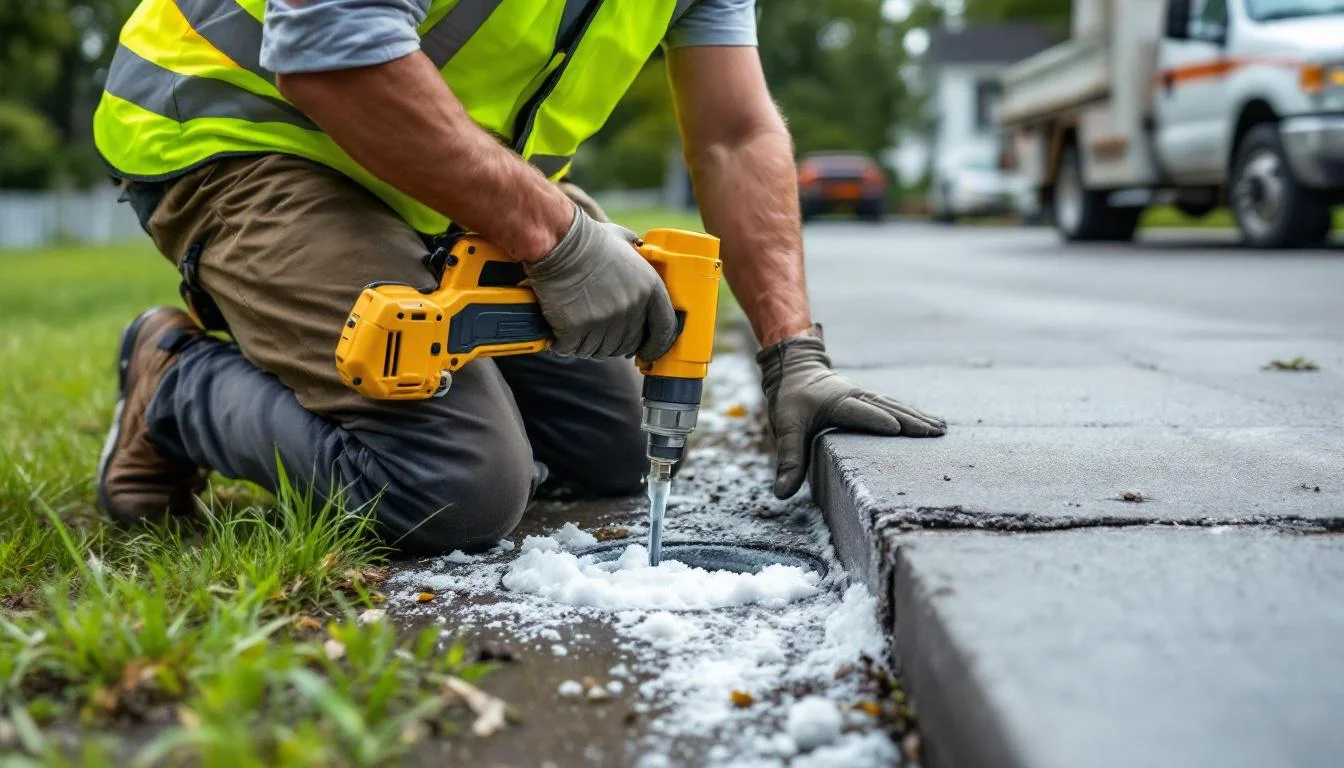
Polyjack is a concrete lifting method that uses a polyurethane-based concrete. In the process, very small access holes are usually cut into the compromised concrete. A special polyurethane substance is then injected under the slab into the spaces in the support soil.
A gradual lifting of the concrete towards the desired position can be achieved as the material expands. The process enables the contractors to fine-tune it before removing and replacing an entire slab. The quantity and type of material used and the way it is used will vary depending on the conditions of the concrete and the voids below.
Why Property Owners Consider It
One big benefit of polyurethane lifting is that it can be used in suitable circumstances to offer a less intrusive option than replacement. That is, replacing a concrete slab requires the effort of demolition, removal, disposal, new preparation and curing time.
A lift can help minimize the amount of material that has to be taken from the property and help to minimize disruption during repairs. This is not suitable for all concrete problems, but may be a helpful tool when the conditions are favorable.
Polyjack and Water Management
When the concrete floors are uneven, it’s not necessarily only a concrete issue. Inadequately drained areas of the slab can cause soil to wash out under it. When assessing settled concrete, it is important to pay attention to the factors that affect the surface drainage, gutters, downspouts, and grading.
A contractor should look at the general surroundings, and not just the apparent crack or slope. A successful lifting project may not be a solution to the problem if the water keeps eroding the material beneath.
What to Check Before Choosing Concrete Lifting
It is important to have the concrete evaluated by a property owner prior to the selection of a repair method. Check for major cracks, crumbly edges, structural damage, and places where the slab could have split into sections.
When these conditions exist, replacement may be a better option than lifting. A professional assessment will help to guarantee that the chosen solution is designed to solve the issue and not just the symptoms that are visible.